|
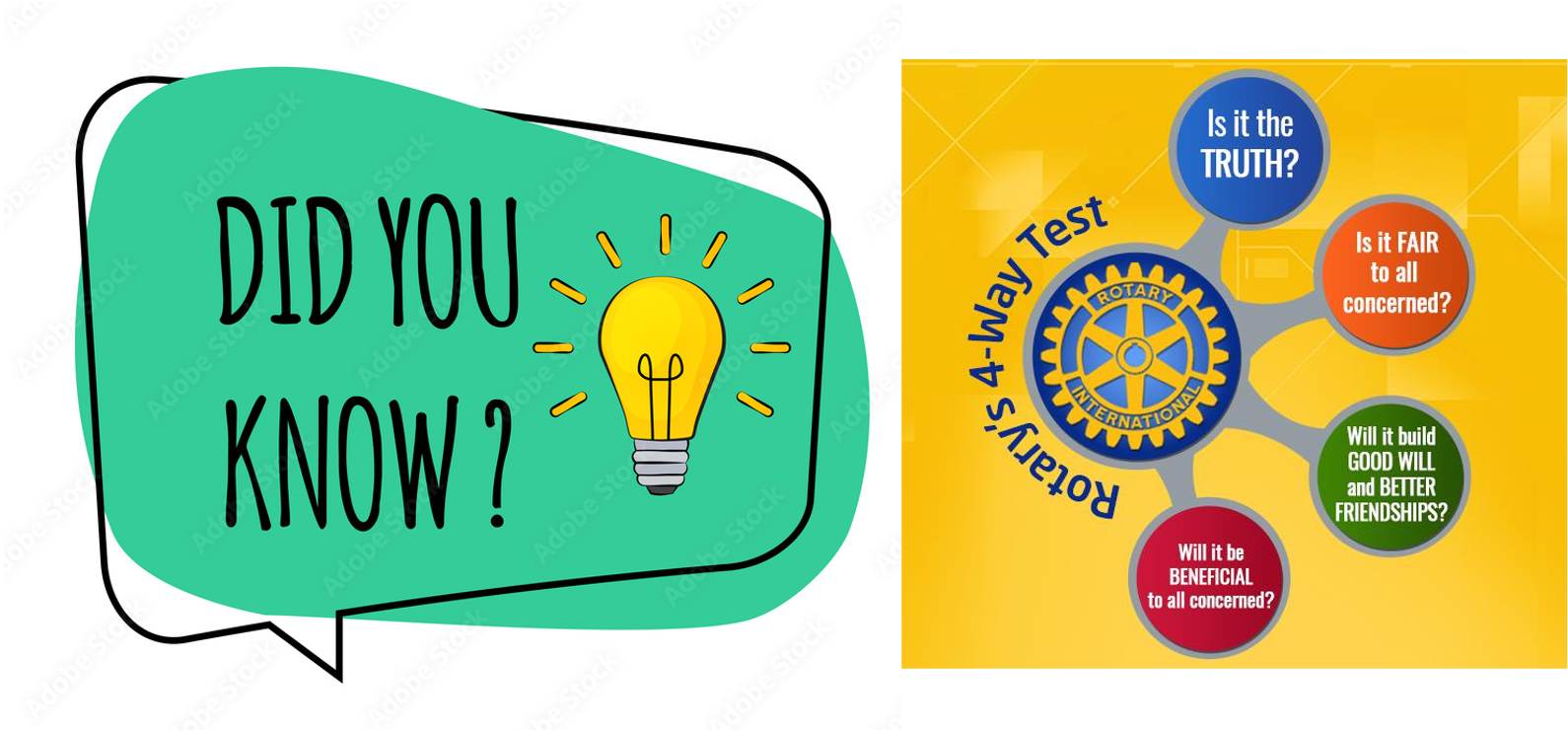
The Four Questions
The test consists of four simple questions that are applied to the things we think, say, or do:
Is it the TRUTH?
Is it FAIR to all concerned?
Will it build GOODWILL and BETTER FRIENDSHIPS?
Will it be BENEFICIAL to all concerned?
To see an explanation of these four questions, click the Read More button.
[Article by David McIvor] |
The Four Questions
The test consists of four simple questions that are applied to the things we think, say, or do:
Is it the TRUTH?
Is it FAIR to all concerned?
Will it build GOODWILL and BETTER FRIENDSHIPS?
Will it be BENEFICIAL to all concerned?
What Does It Mean? The test isn't meant to be a rigid set of rules, but rather a non-partisan and non-sectarian ethical guide. Here is how each point is generally interpreted: 1. Is it the Truth? This goes beyond just avoiding lies. It involves being transparent, accurate, and honest in your intentions. It asks whether you are presenting the full picture or withholding information for personal gain. 2. Is it Fair to All Concerned? This focuses on equity and justice. It challenges the "win-at-all-costs" mentality. If a deal or a decision benefits you but significantly harms someone else, it fails the test of fairness. 3. Will it Build Goodwill and Better Friendships? This point emphasises the human element of interactions. Even if a decision is truthful and technically fair, if it is delivered with malice or creates unnecessary conflict, it may not be the right path. It encourages actions that strengthen community and personal bonds. 4. Will it be Beneficial to All Concerned? This is the "win-win" criteria. It asks whether the outcome creates a positive net result for everyone involved. It pushes for creative solutions where value is added for the whole group rather than just a single individual. Why It Is Used For Rotarians and many professionals worldwide, the 4-Way Test serves as a quick mental check for decision-making. It is designed to be easily memorised and applied to everything from high-level corporate strategy to daily personal conversations. The beauty of the test lies in its simplicity and universality - it doesn't require a specific religious or political viewpoint to understand its value. [Article by David McIvor] |